
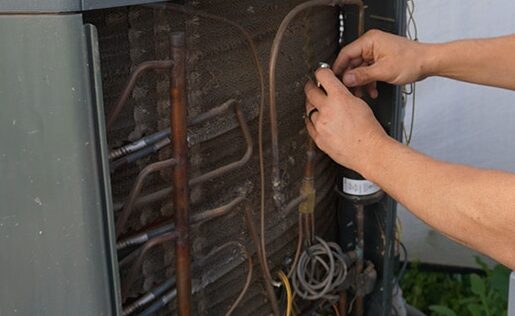
Regular AC tune-ups are essential for maintaining peak system performance, preventing costly breakdowns, and ensuring energy efficiency throughout the cooling season. Understanding what a professional tune-up includes helps homeowners make informed decisions about service providers and recognize quality workmanship when they see it.
Understanding the Importance of Professional Tune-Ups
Professional AC maintenance goes far beyond what homeowners can accomplish with basic care. Trained technicians have specialized tools, knowledge, and experience to identify potential problems before they become expensive failures. A comprehensive tune-up can extend your system’s lifespan by years while improving efficiency and indoor air quality.
Benefits of Regular Professional Maintenance
Regular professional maintenance typically reduces energy consumption by 10-15% and can prevent up to 95% of common AC failures. Systems that receive annual tune-ups last significantly longer than neglected units, often exceeding their expected lifespan by several years.
Professional maintenance also maintains warranty coverage, as most manufacturers require documented regular service to honor warranty claims. This protection can save thousands of dollars if major components fail prematurely.
Optimal Timing for Tune-Ups
Schedule AC tune-ups in late spring before peak cooling season begins. This timing allows technicians to address any issues discovered during winter storage and ensures your system is ready for summer’s demands.
Early season scheduling also provides better appointment availability and may offer cost savings compared to emergency service calls during peak summer months.
Pre-Service Preparation Checklist
Homeowner Preparation Tasks
Before the technician arrives, clear access to both indoor and outdoor units. Remove furniture, storage items, and debris from around equipment to allow thorough inspection and service.
Compile a list of any performance issues you’ve noticed, including unusual noises, inconsistent cooling, or changes in energy bills. This information helps technicians focus their diagnostic efforts efficiently.
Documentation Gathering
Locate your system’s warranty information, previous service records, and equipment manuals. This documentation helps technicians understand your system’s history and may expedite certain warranty-covered services.
Note your system’s model numbers, installation date, and any recent repairs or modifications. This information assists technicians in ordering correct parts if needed and ensures appropriate service procedures.
Comprehensive System Inspection
Visual Equipment Assessment
Professional technicians begin with a thorough visual inspection of both indoor and outdoor units, checking for signs of damage, corrosion, or wear. They examine electrical connections, refrigerant lines, and mounting hardware for security and proper installation.
This inspection includes checking for proper unit levelness, adequate clearances, and signs of pest intrusion or weather damage that could affect system performance.
Safety System Evaluation
Technicians test all safety controls including high and low pressure switches, temperature limit switches, and electrical safety devices. These components protect your system from damage and ensure safe operation under various conditions.
Proper safety system function is crucial for preventing catastrophic failures that could damage equipment or create hazardous conditions in your home.
Electrical System Maintenance
Connection Inspection and Tightening
Electrical connections naturally loosen over time due to thermal cycling and vibration. Technicians inspect and tighten all electrical connections, including those in the outdoor disconnect, indoor unit, and thermostat wiring.
Loose connections can cause arcing, overheating, and eventual component failure. Regular tightening prevents these problems and ensures reliable electrical operation.
Voltage and Amperage Testing
Professional technicians measure voltage and amperage at various points in the system to verify proper electrical operation. These measurements can reveal developing problems with motors, capacitors, and other electrical components.
Voltage imbalances or incorrect amperage readings often indicate problems that can lead to premature component failure if not addressed promptly.
Capacitor and Contactor Evaluation
Capacitors provide the electrical boost needed to start motors and maintain efficient operation. Technicians test capacitor performance and replace units that show signs of deterioration or reduced capacity.
Contactors control electrical flow to major components and can develop pitted contacts or coil problems over time. Regular inspection and replacement prevent sudden system failures.
Mechanical Component Service
Motor Lubrication and Inspection
Many AC systems include motors that require periodic lubrication to maintain smooth operation and prevent premature wear. Technicians identify which motors need lubrication and apply appropriate lubricants.
Motor inspection includes checking for proper alignment, unusual noise, excessive vibration, and signs of overheating that could indicate developing problems.
Belt Inspection and Adjustment
Systems with belt-driven components require regular belt inspection for proper tension, alignment, and wear. Loose or worn belts reduce efficiency and can cause motor damage if they break unexpectedly.
Technicians adjust belt tension to manufacturer specifications and replace belts showing signs of cracking, fraying, or excessive wear.
Blower Wheel Cleaning
The blower wheel accumulates dust and debris over time, reducing airflow and system efficiency. Professional cleaning removes this buildup and restores proper air circulation throughout your home.
Clean blower wheels also reduce strain on motors and improve indoor air quality by preventing dust from being redistributed through your living spaces.
Refrigeration System Service
Refrigerant Level Verification
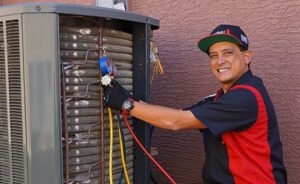
Proper refrigerant charge is crucial for efficient AC operation. Technicians measure refrigerant pressures and temperatures to verify correct charge levels and identify potential leaks.
Incorrect refrigerant levels can reduce efficiency, damage components, and prevent proper humidity control in your home.
Leak Detection and Testing
Professional leak detection uses specialized equipment to identify refrigerant leaks that may not be visible or obvious. Early leak detection prevents environmental damage and expensive refrigerant loss.
Small leaks can be repaired before they become major problems, saving money on refrigerant replacement and preventing system damage from low charge conditions.
Coil Inspection and Cleaning
Both evaporator and condenser coils require regular cleaning to maintain heat transfer efficiency. Dirty coils force the system to work harder and consume more energy while providing less cooling capacity.
Professional coil cleaning uses appropriate chemicals and techniques that remove buildup without damaging delicate coil fins or surrounding components.
Air Distribution System Maintenance
Ductwork Inspection
Technicians inspect accessible ductwork for leaks, damage, and proper insulation. Duct problems can waste significant energy and create comfort issues throughout your home.
This inspection includes checking duct connections, support systems, and insulation condition in areas like attics, basements, and crawl spaces.
Filter Assessment and Replacement
Professional technicians evaluate your current filtration setup and recommend appropriate filter types for your system and indoor air quality needs. They ensure filters fit properly and don’t restrict airflow.
Proper filtration protects system components while improving indoor air quality, but incorrect filter selection can reduce efficiency and damage equipment.
Airflow Measurement
Technicians measure airflow at various points in the system to ensure proper operation. Insufficient airflow can cause coil freezing, reduced efficiency, and premature component failure.
Airflow problems often indicate ductwork issues, dirty coils, or mechanical problems that require professional attention to resolve properly.
Control System Calibration
Thermostat Testing and Calibration
Thermostats require periodic calibration to maintain accurate temperature control and efficient system operation. Technicians test thermostat accuracy and adjust calibration as needed.
This service includes verifying proper communication between the thermostat and system components, ensuring all control functions operate correctly.
Safety Control Verification
All safety controls must function properly to protect equipment and ensure safe operation. Technicians test these controls under various conditions to verify proper operation.
Malfunctioning safety controls can allow dangerous operating conditions or prevent the system from operating when needed for comfort and health.
Performance Testing and Documentation
Efficiency Measurements
Professional technicians measure system efficiency using specialized instruments that evaluate energy consumption relative to cooling output. These measurements establish baseline performance for future comparison.
Efficiency testing can reveal gradual performance degradation that indicates developing problems requiring attention.
Temperature Differential Testing
Technicians measure air temperature differences across system components to verify proper heat transfer and identify potential problems. These measurements help optimize system performance.
Proper temperature differentials indicate efficient operation, while abnormal readings suggest problems with airflow, refrigerant charge, or component function.
Service Documentation
Professional service includes detailed documentation of all work performed, measurements taken, and recommendations for future maintenance or repairs. This documentation provides valuable service history for warranty and diagnostic purposes.
Proper documentation helps track system performance over time and can identify patterns that indicate developing problems or maintenance needs.
Post-Service Recommendations
Homeowner Maintenance Tasks
Technicians should provide clear instructions for ongoing homeowner maintenance tasks including filter changes, outdoor unit care, and signs to watch for that indicate professional attention is needed.
Understanding your role in system maintenance helps maximize the benefits of professional service and prevent problems between tune-ups.
Follow-Up Scheduling
Quality service providers will discuss scheduling for your next tune-up and any additional services that may be needed. Regular maintenance scheduling ensures consistent system performance and longevity.
Some contractors offer maintenance agreements that provide priority scheduling, discounted services, and automatic appointment reminders.
Conclusion
Quality technicians perform detailed electrical, mechanical, and refrigeration system service that homeowners cannot safely or effectively accomplish themselves.
Understanding what should be included in professional service helps you evaluate service providers and ensure you receive value for your investment. Regular professional maintenance keeps your AC system operating efficiently and reliably for years to come.
Choose service providers who perform comprehensive AC tune-ups. This investment in professional maintenance pays dividends through improved efficiency, extended equipment life, and reliable comfort when you need it most.